
Loved Japan and thinking about visiting South Korea next? Run, don’t walk, to explore this intriguing country before tradition gives way to trends.
If K-pop hasn’t yet captured your attention, Squid Game or the Oscar-winning film Parasite probably has. As global curiosity about Korean culture grows and repeat trips to Japan become more common for Australians (New Zealanders), South Korea is rising to the top of travel wish lists – Seoul is just a two-hour flight from Tokyo, after all. Yet for those who travel to eat, there’s one lingering doubt – can Korean food compete with Japan’s? I make it my mission to find out.
Exploring Seoul by subway is the way to go – it’s safe, easy and affordable – but Google Maps won’t help you here (it’s restricted due to the division between South and North Korea). Use local apps Naver or Kakao instead. Navigating public transport is even easier with a guide who has your travel pass sorted and knows exactly where to go. I’m travelling on InsideAsia’s new Soul of Korea small group tour, which promises to reveal a true slice of local life.
Taste of Korea
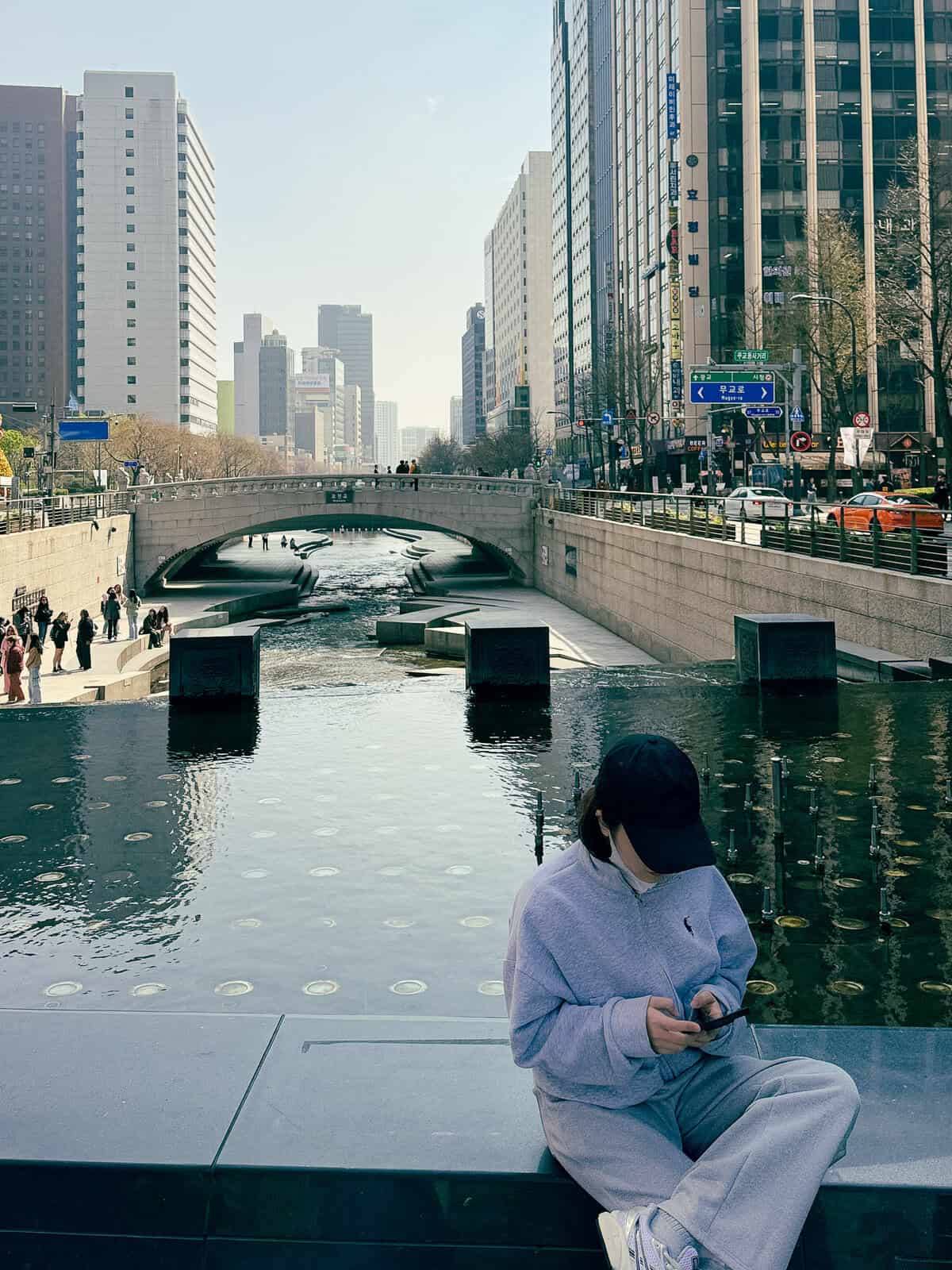
Our first lunch in Seoul doesn’t disappoint. After strolling along Cheongyechen Stream, which runs through the heart of the city, guide Meggie takes us down a side street into a plain-looking restaurant which she says is a local favourite. Inside, we walk past boxes of produce, a kitchen worker chopping up giant radishes, noisy tables of Seoulites, and red-aproned women who nod in greeting as we pass. Slipping off our shoes, we step into a simple dining room of low-set tables and floor cushions.
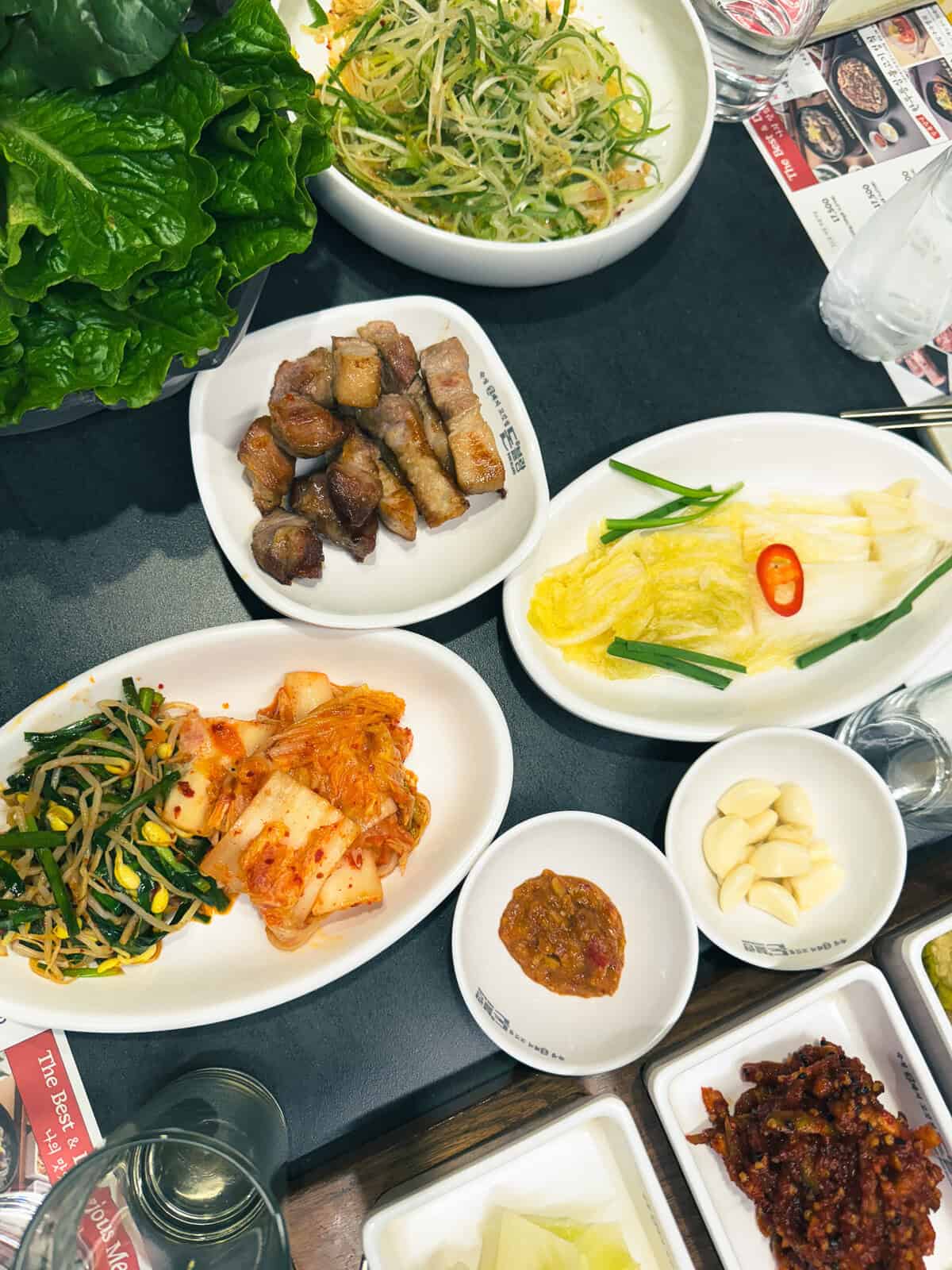
Within minutes, our table is laden with dishes of pajeon (savoury pancake), bossam (steamed pork belly), kalguksu(knife-cut noodle soup) and a variety of sides – kimchi, of course, but also raw garlic slices, saewoo jeot (fermented and salted tiny shrimp), cabbage leaves and more. The idea is to start with a cabbage leaf, layer it with pork and your chosen side dishes, then roll it up and stuff the whole thing in your mouth in one go.
Eating out in Korea is unpretentious and fun – and usually involves chairs, not floor cushions. Although there are a few rules – lay your chopsticks on the table, not on your bowl, and don’t lift your bowl to eat from it – it’s all about getting together and enjoying the food. Dishes arrive all at once, you use a spoon to eat rice, and don’t be surprised if there’s a roll of toilet paper on your table for use as serviettes. The chopsticks are flat at the handle ends here, not round as in most other Asian countries, so wielding them effectively takes some practice. “It’s ok to slurp your noodles,” Jun, our guide, assures me. “Any sound you make while eating is a sign that it’s delicious.”
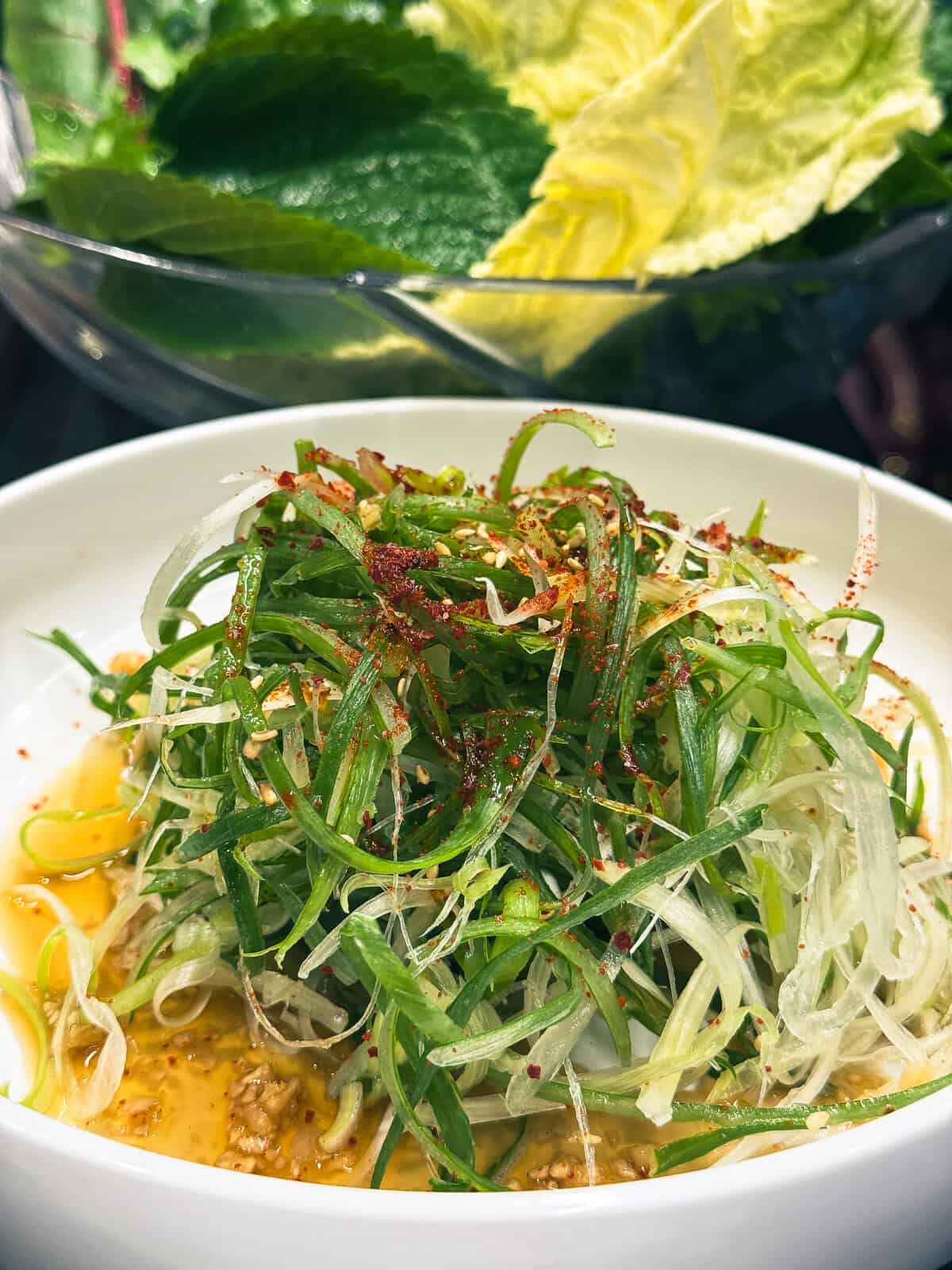
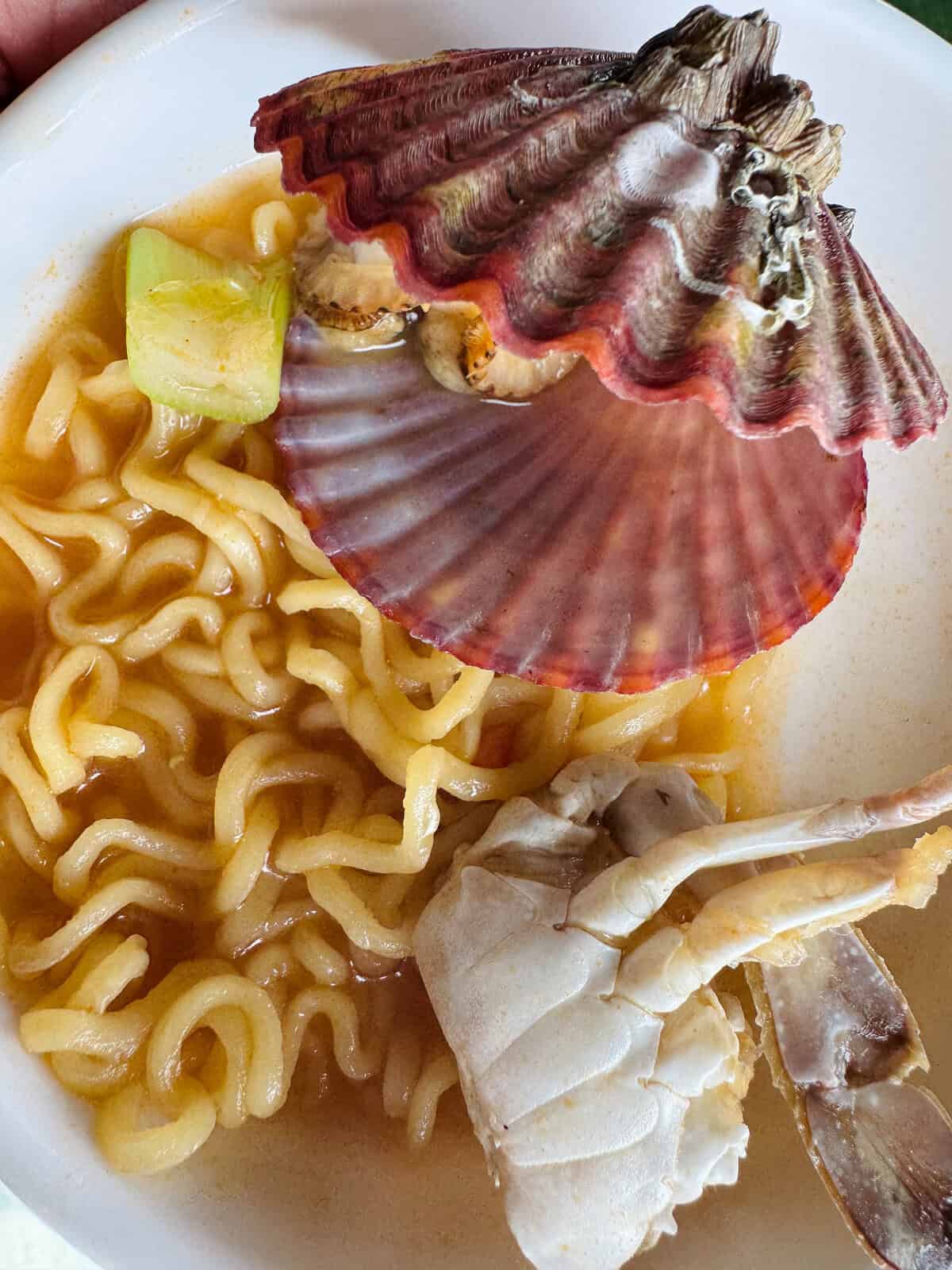
More deliciousness awaits that night in Insadong, an historic district of narrow alleyways lined with teahouses, stationery shops and galleries. Lanterns glow softly outside the charming Insadong Chon restaurant, where we enjoy a traditional meal of everything from soybean paste stew and bulgogi (caramelised grilled pork) to fried shrimp and jap chae (glass noodles with vegetables).
Cooking at home is rare in Korean households, Jun says, so opportunities to eat are everywhere. Eating out or ordering in is the norm, apartment living is preferred, and many women don’t teach their daughters how to cook so they won’t have to do it when they get married.
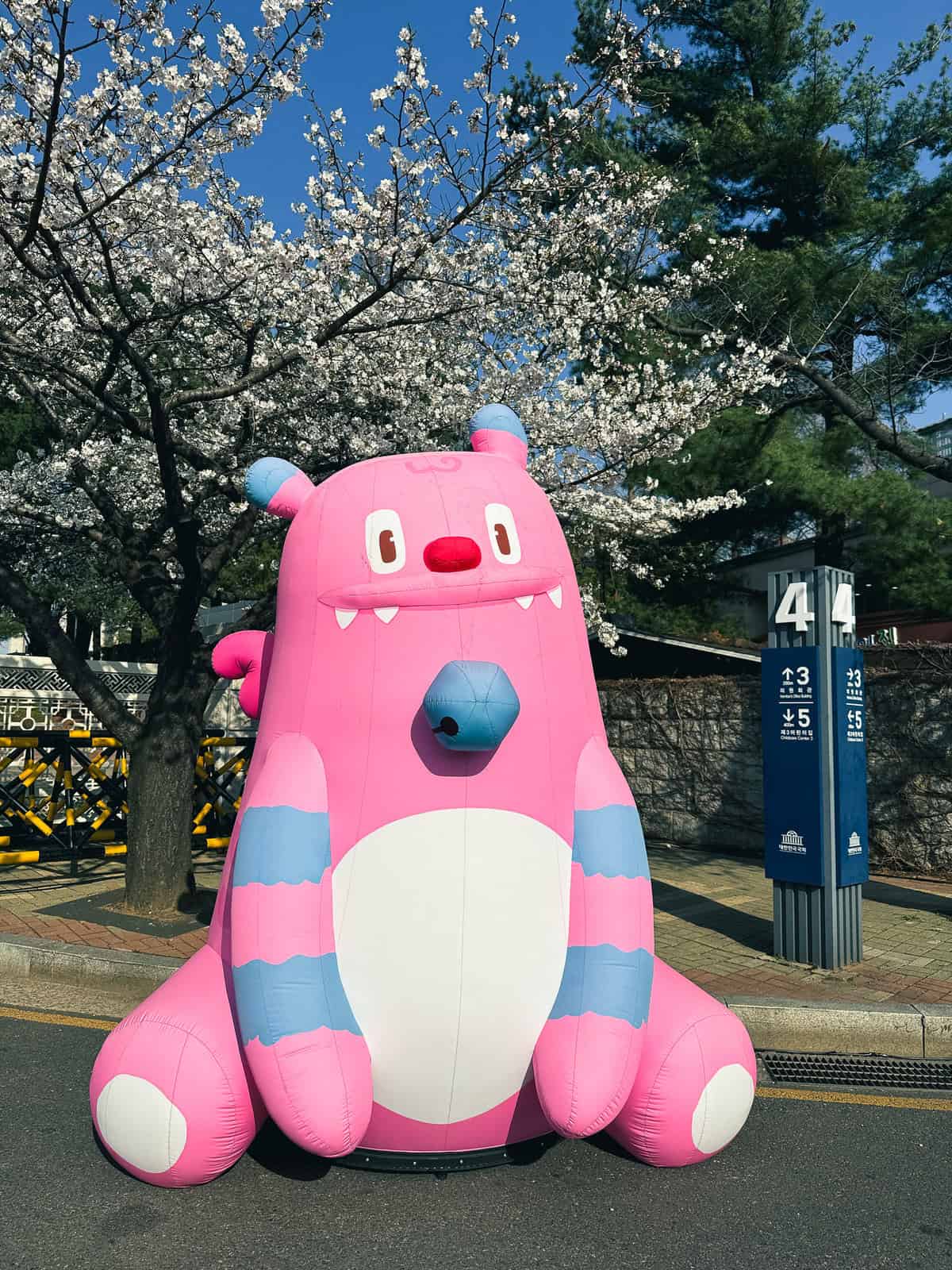
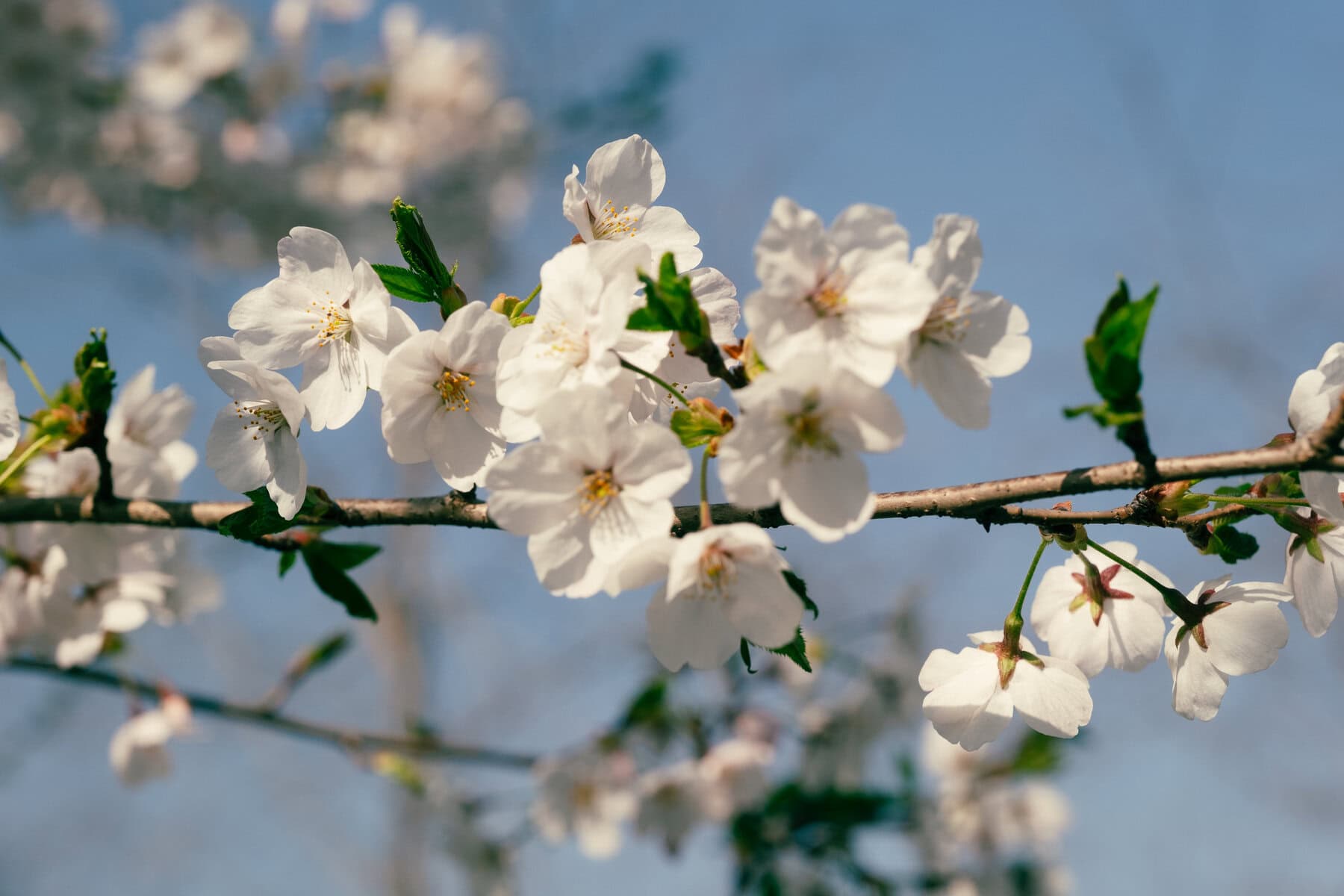
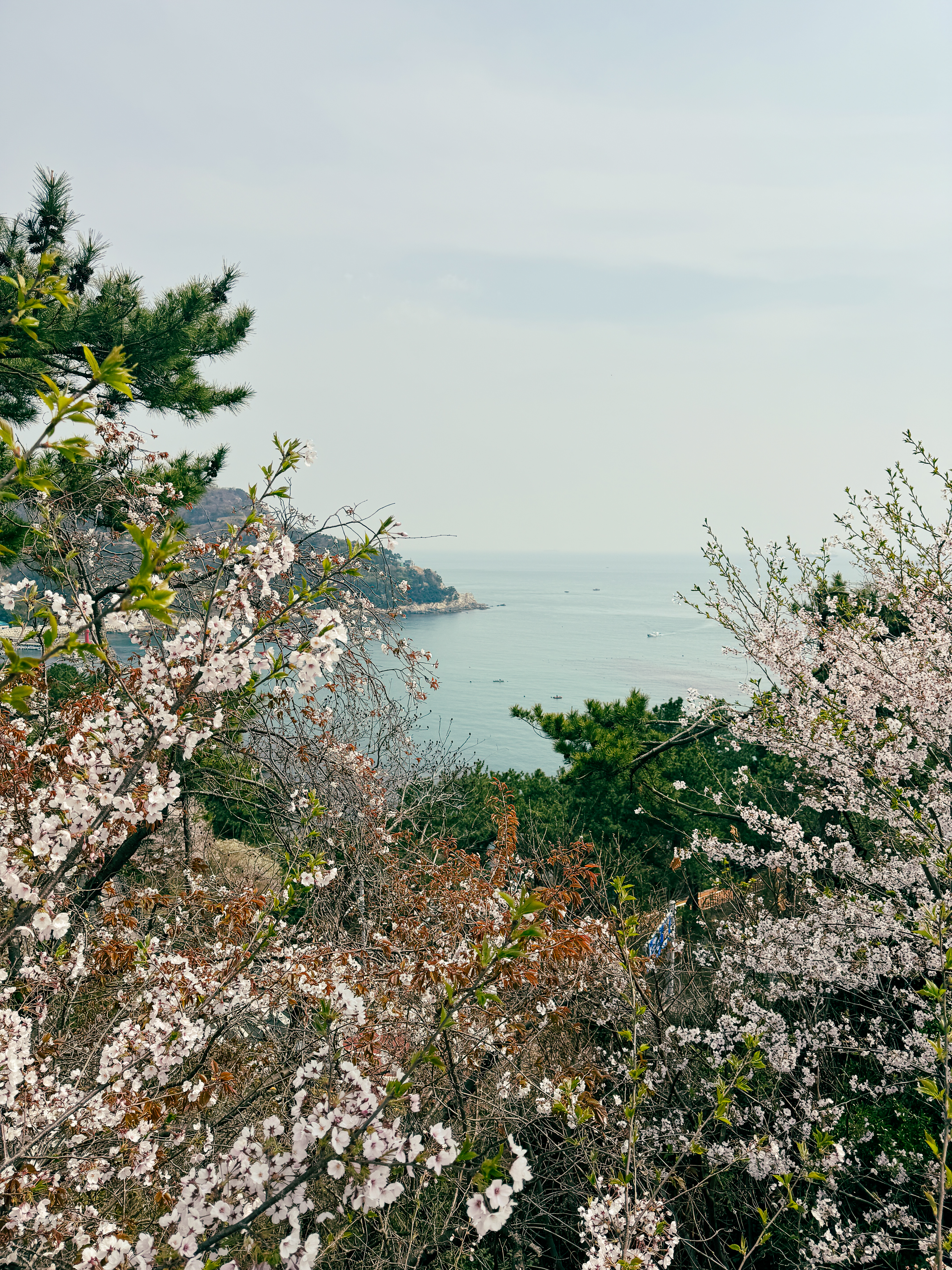
We’ve fluked our arrival with the cherry blossoms bursting into bloom, so we join throngs of locals strolling beneath clouds of pink and white petals at the Yeongdeungpo Yeouido Spring Flower Festival. The crowds, parades and street performances add a festive atmosphere to the riverside walk, but Jun says it’s a popular place for a picnic any time of year. When I ask what he and his wife take to eat on their picnics, Jun reveals that once they’ve found a good spot to sit, they order fried chicken and beer on a food delivery app and their picnic is brought to them! Sounds pretty good to me.
Train to Busan
We ride the bullet train from Seoul to Busan (a two-hour trip) where holidaymakers come from across Asia for its beaches, seafood and laidback vibe. The port city served as a refuge for people fleeing the hardships of the Korean War (1950-53), its population swelling as a result. Yeongdo Bridge serves as a reminder of this time – it was a meeting place for refugees seeking to reunite with displaced family members.
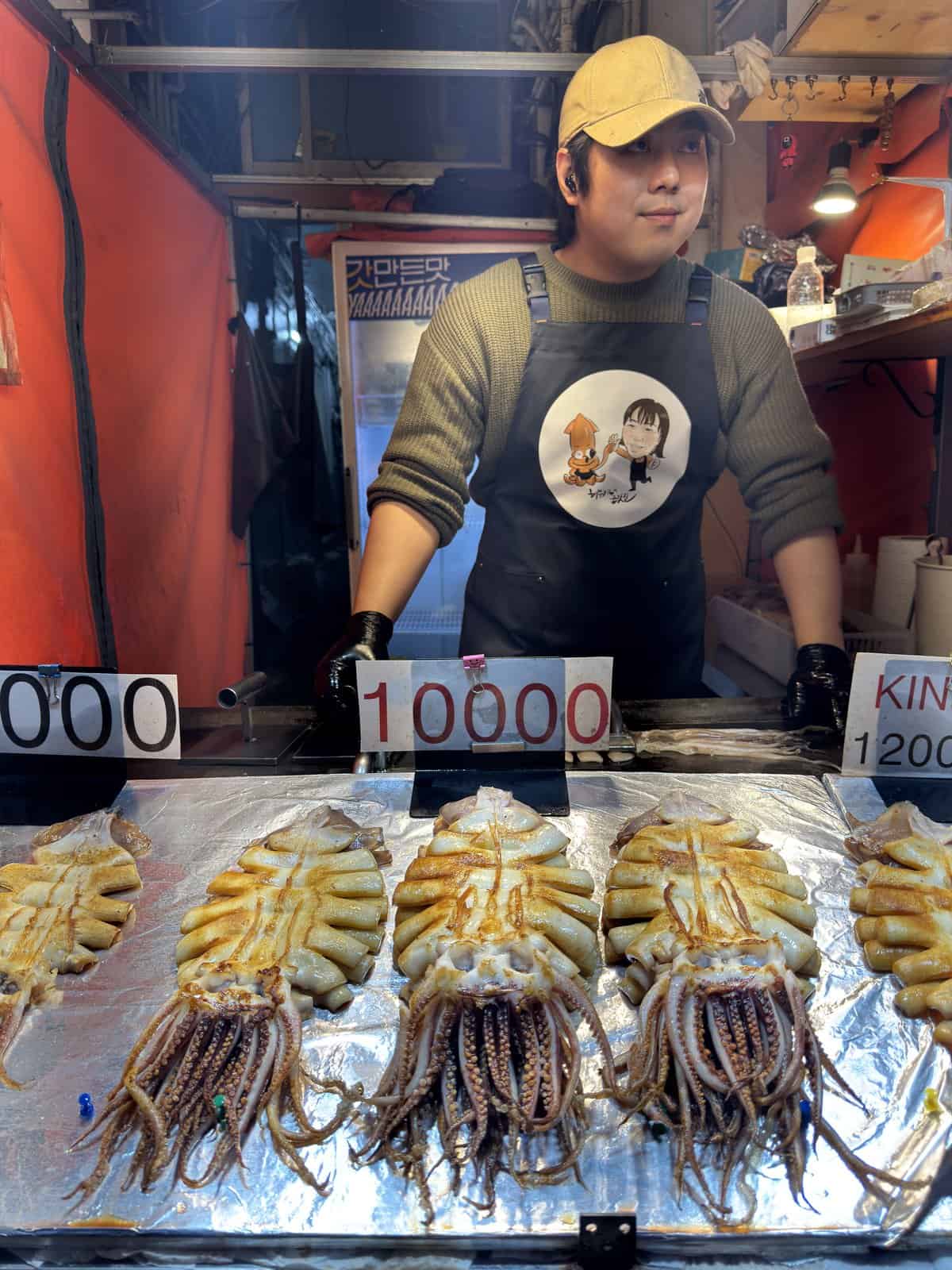
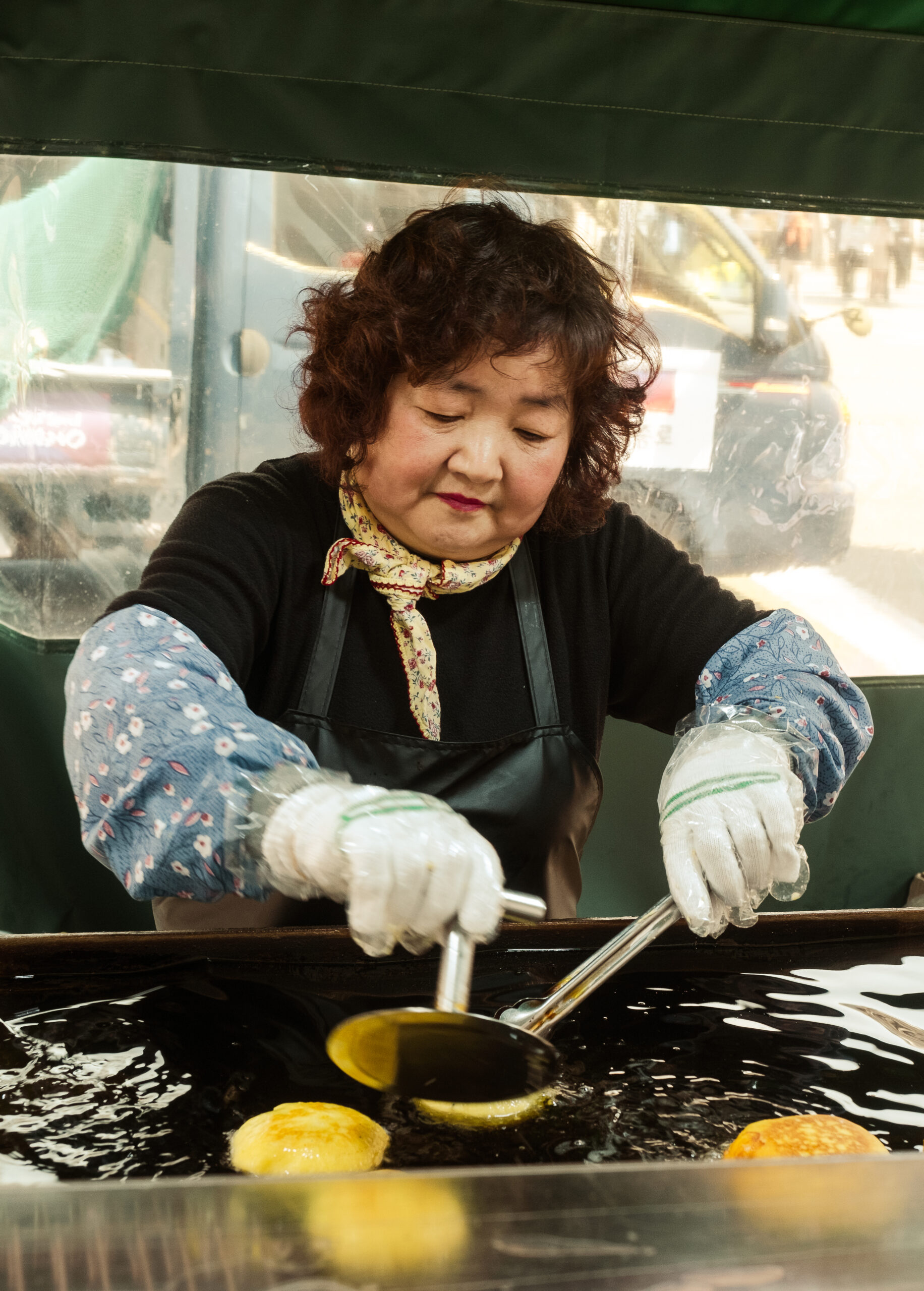
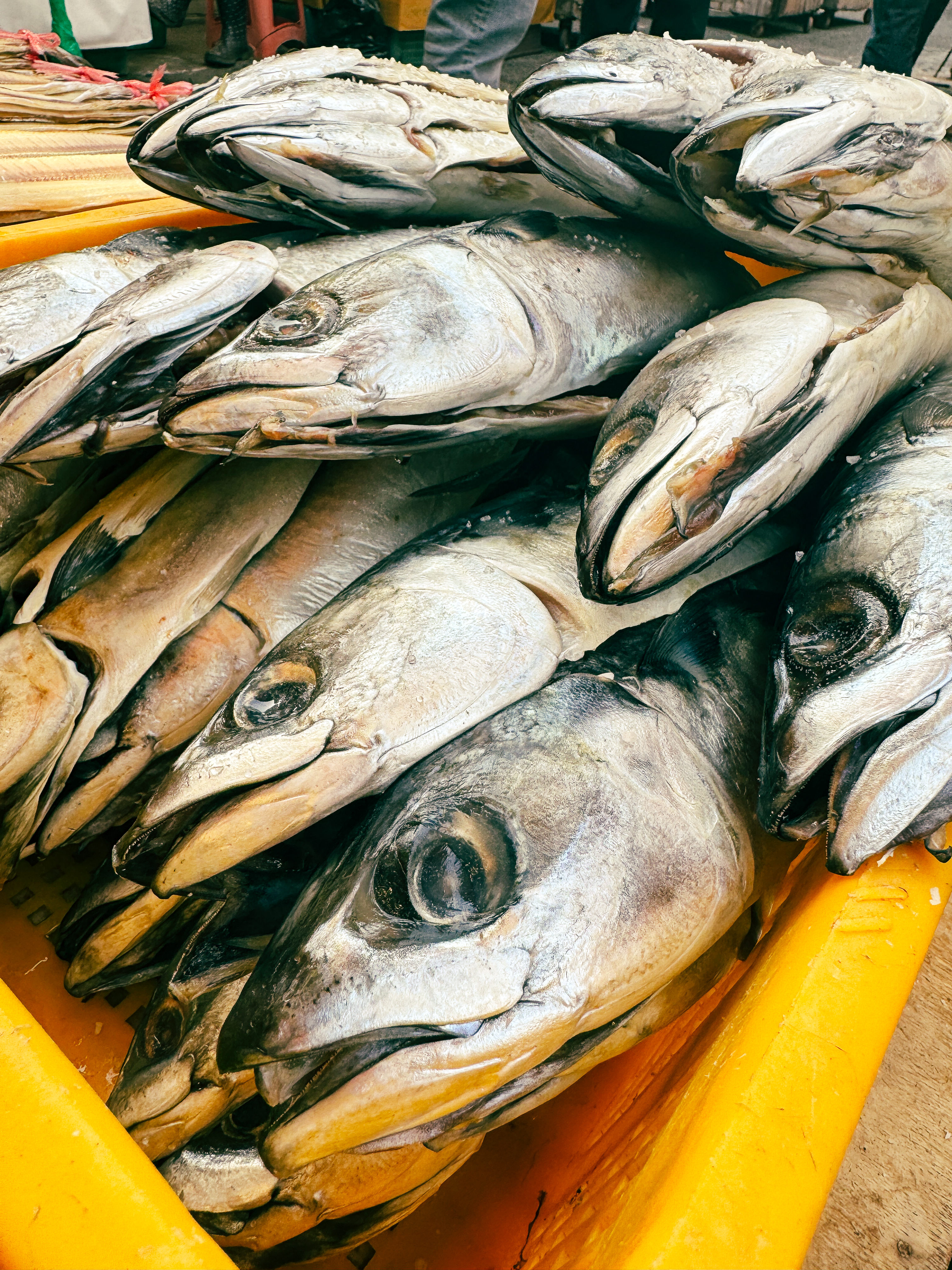
The sprawling indoor-outdoor seafood market is run mostly by women – another wartime legacy. When men were conscripted into military service or forced labour, women sold fish to help their families survive. These days, stoic ladies tend stalls selling everything from live squid and shellfish to a confronting mud-dwelling sea creature known locally as ‘sea penis’ because, well, that’s exactly what it looks like.
“It doesn’t have much taste but it has a unique texture that I like – it’s chewy, like gum,” says Brian, our guide for the day.
Stoic ladies tend stalls selling everything from live squid and shellfish to a confronting mud-dwelling sea creature known locally as ‘sea penis’
Another of our guides, Chris, takes us on a night food tour, one of the highlights of the trip. Our first stop is a no-frills eatery with just a few tables crammed into a tiny space. No-nonsense women cook and serve the food.
“They’re a bit grumpy but actually kind of sweet,” Chris says. “They’ll give you a little smile but you have to earn it, and the food is just great.”
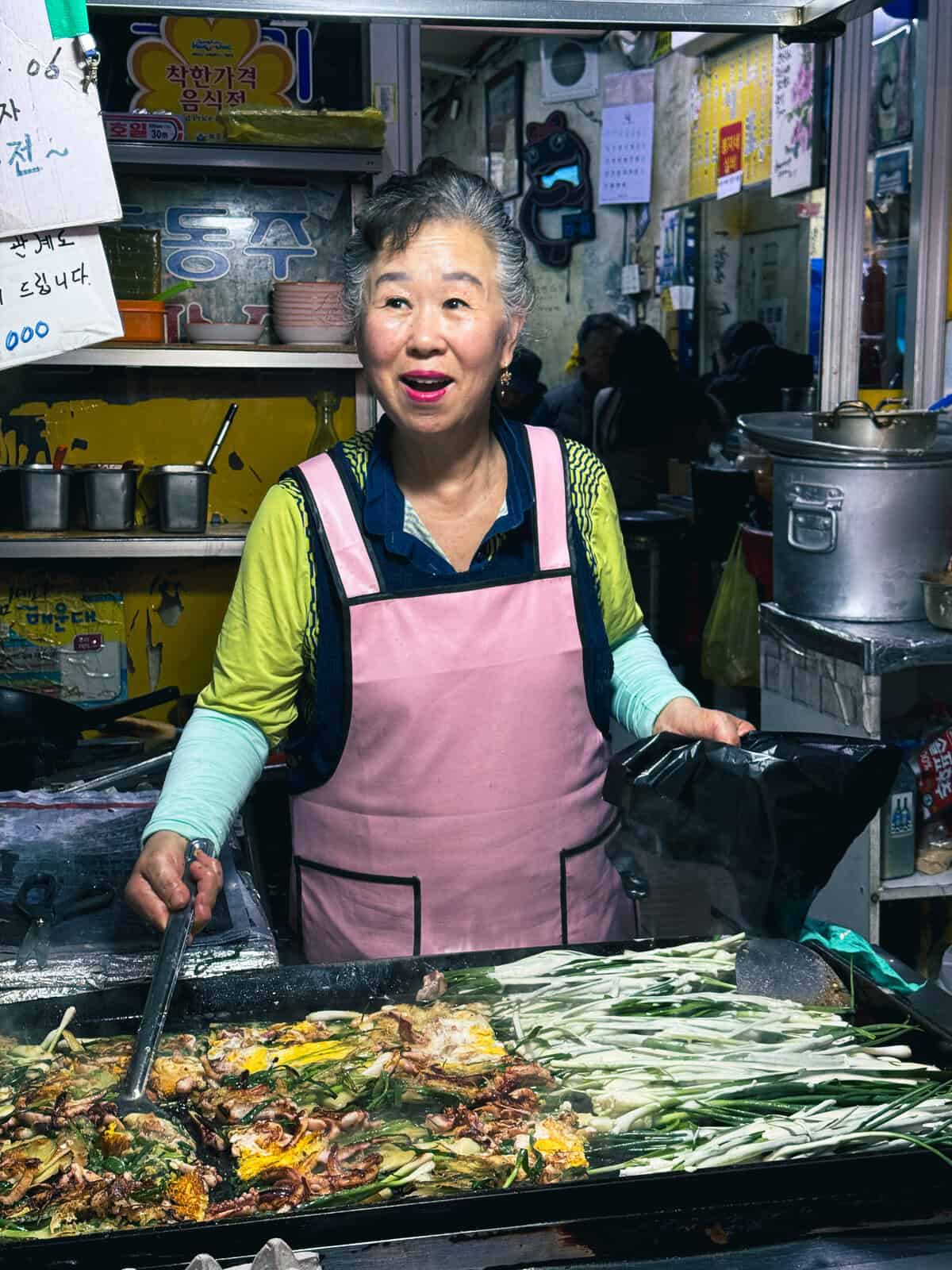
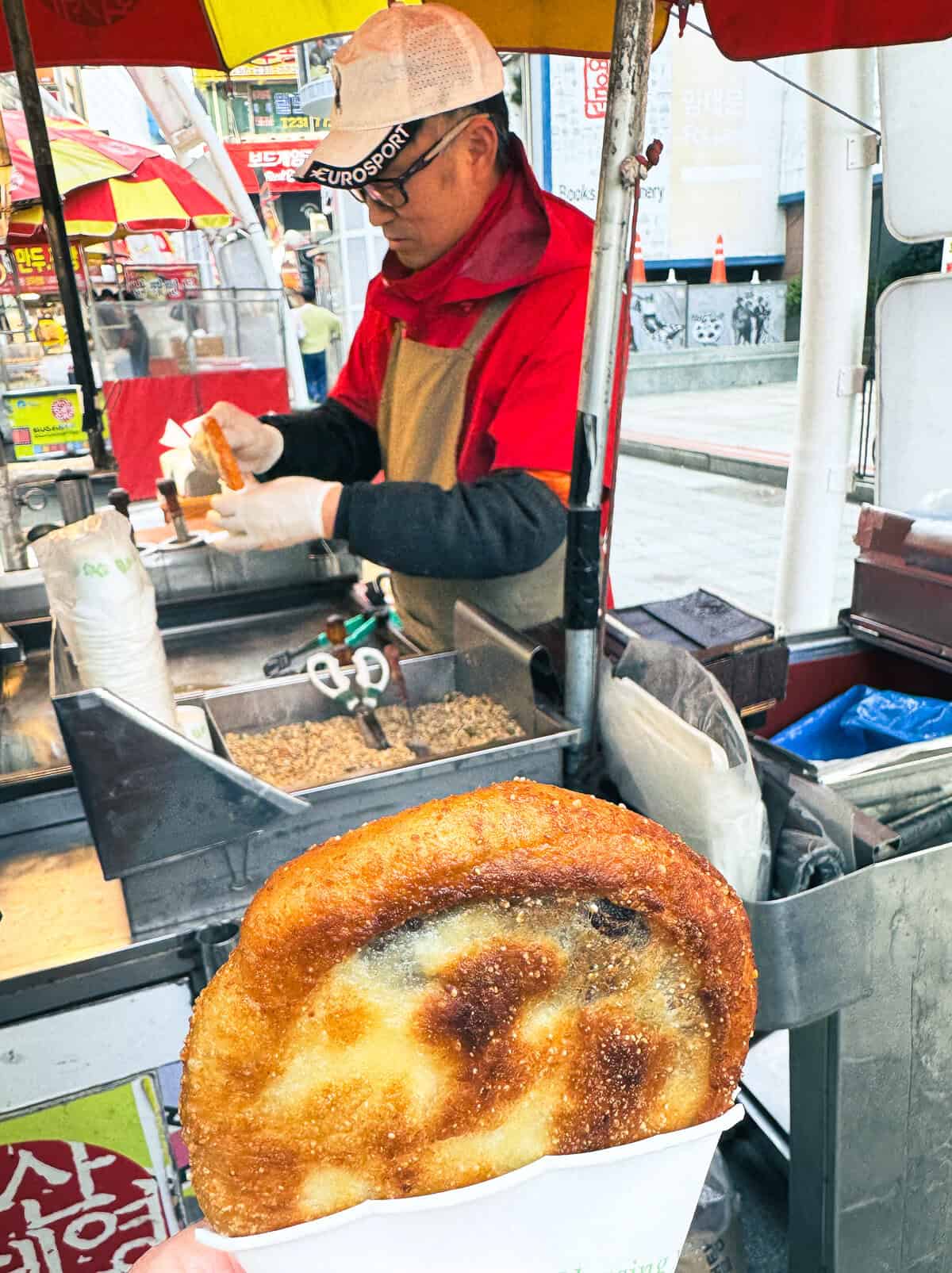
He isn’t wrong. We tuck into a seafood pancake with our chopsticks, dunking it in some kind of dipping sauce. English isn’t widely spoken in South Korea, so you don’t always know what you’re eating. It feels like real travel, an authentic experience untainted by mass tourism, and I’m relishing every minute. Duruchigi (spicy stir-fried pork) is plonked on the table next, followed by ojingeo muchim (spicy squid salad) and dotori mook (acorn jelly salad). The food is nothing like the delicate morsels on offer in Japan and, as Chris says, “they don’t tourist down the heat” – expect more than a hint of fire in many dishes.
“Go to these places while they’re still here,” Chris urges, explaining that young people are more interested in becoming YouTubers than taking over a restaurant run by their mum or grandma.
At the next stop, we sip on makgeolli, a milky, fizzy rice wine not to be confused with the more potent soju, the equivalent of saki in Japan. Makgeolli is lower in alcohol and consumed at around the same pace as beer.
Our final stop is by the harbour, where we sit around a foldout communal table under a tarpaulin. Relying on frying pans perched on gas bottles, our stoic cook is more interested in the job at hand than small talk, but we still feel like we’re being fed like family. There are no plates, but Jun tells us to discard the bones from a dish of short ribs on the table, along with shells and bones from the plates of hagfish, cuttlefish, grilled mackerel and cockles we devour while we chat. I’m glad it’s not me doing the clean-up.
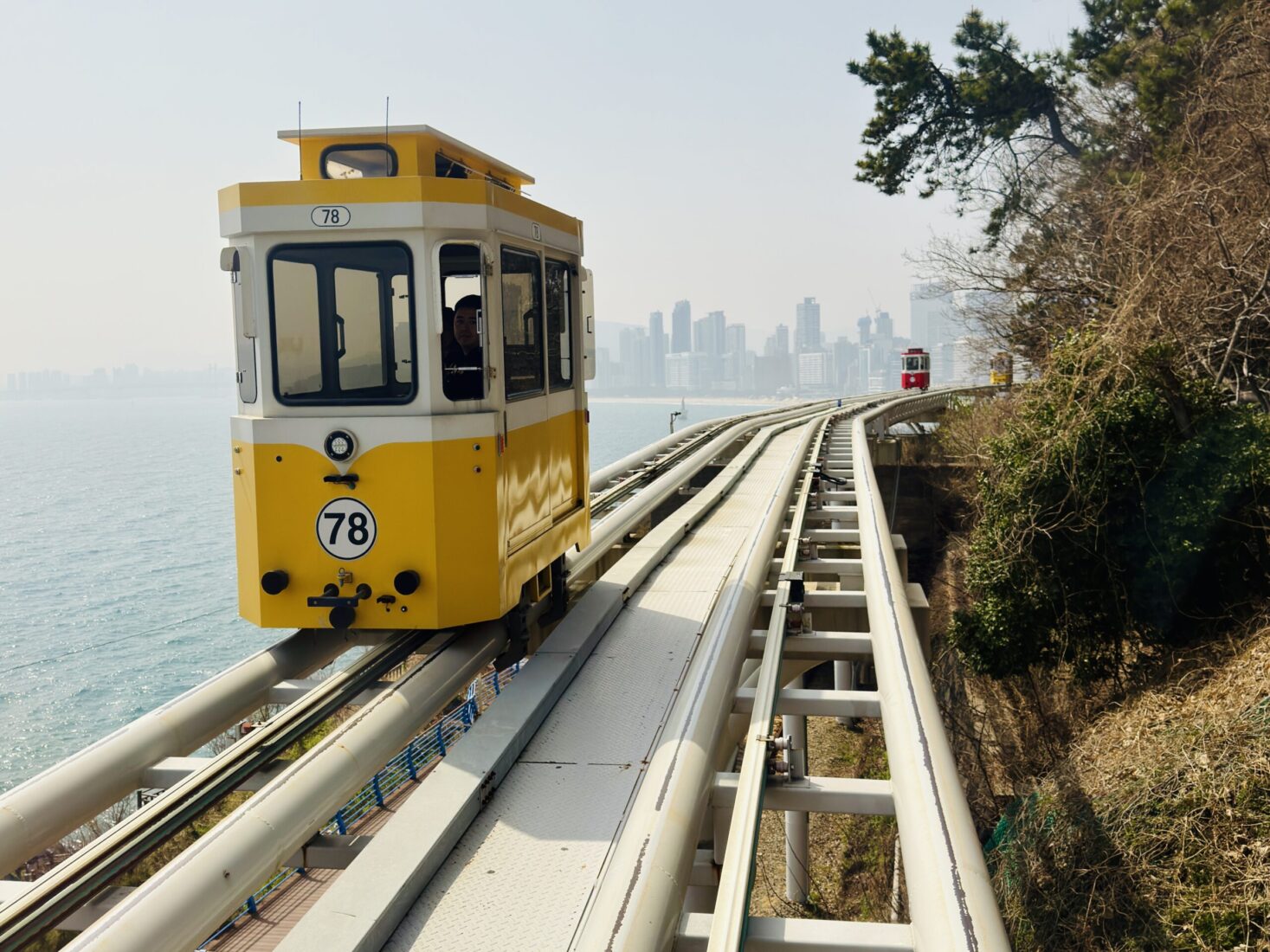
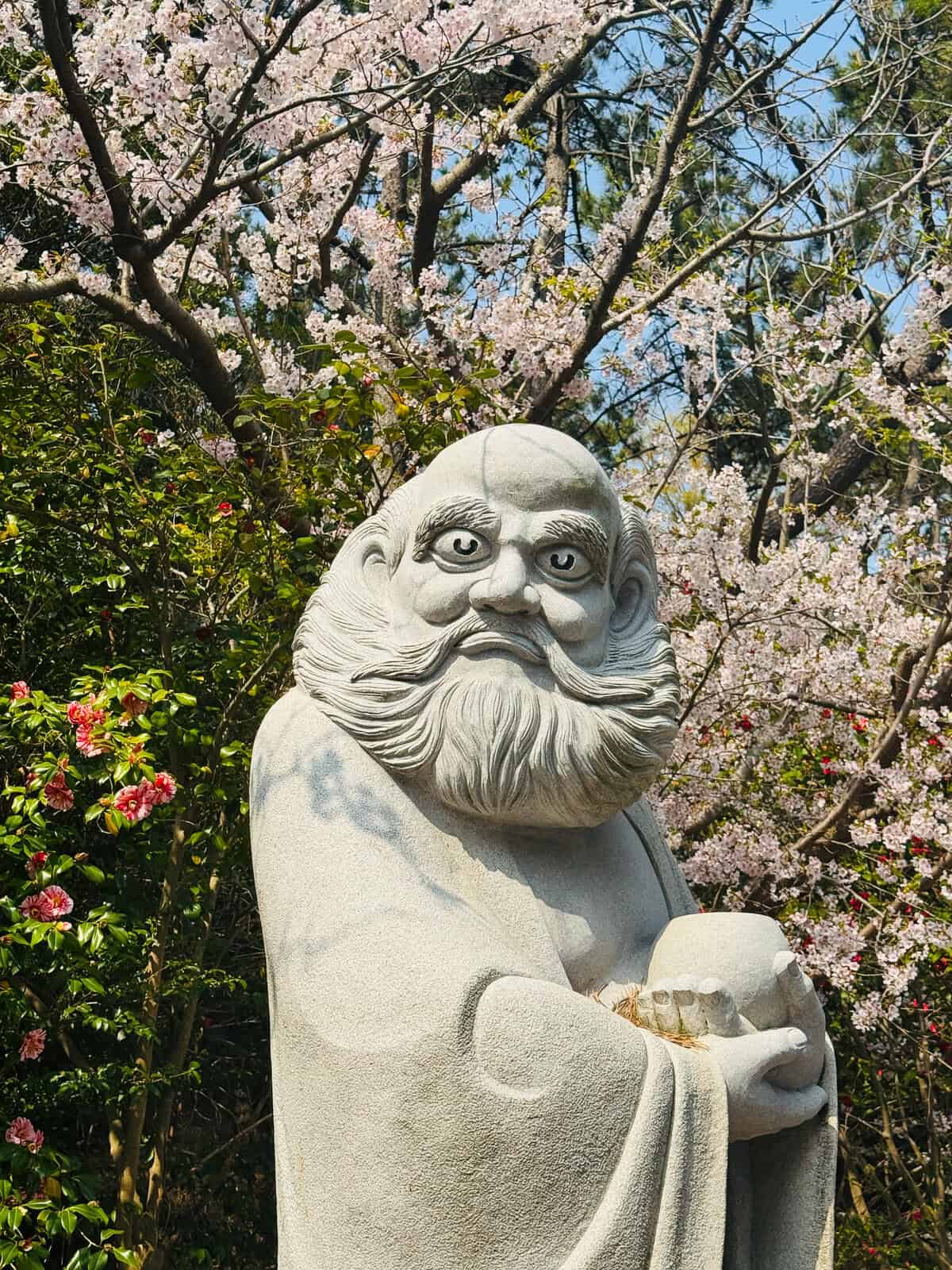
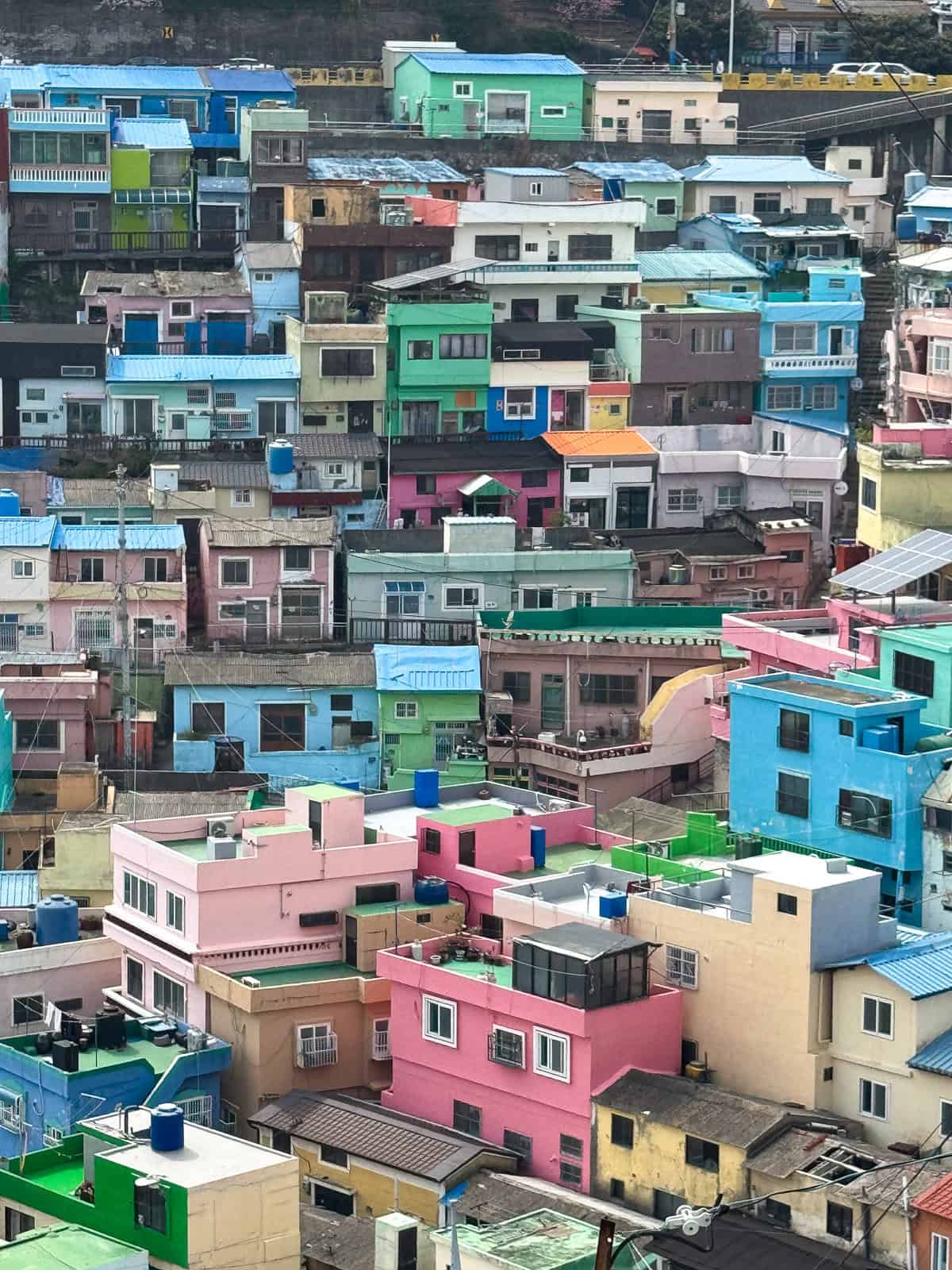
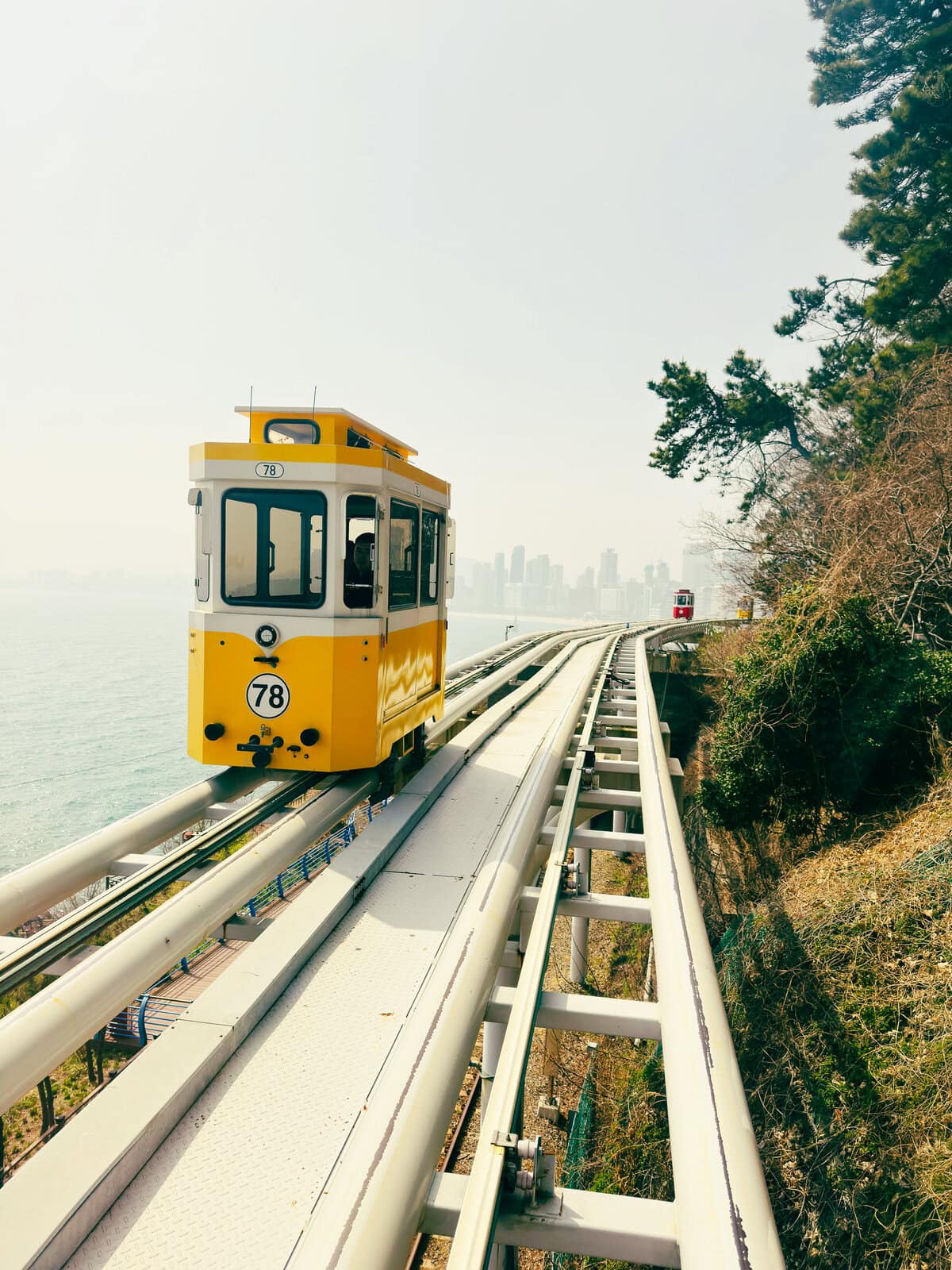
With all this eating, I’m glad we’re doing so much walking. We’ve wandered around colourful Gamcheon Cultural Village, a former shanty town, various markets, and temples such as Haedong Yonggungsa set in beautiful gardens that wind down 108 stairs to the rocky coastline. To get back, we board cute little train carriages on the Blue Line Park Sky Capsule, which trundle along an elevated track.
Next-generation cool
From Busan, we drive out to Gyeongju, known as South Korea’s capital of history, and stay in a traditional guesthouse. Founded in 57 BCE, this semi-rural area is the place to visit temples and ancient tombs, and to wander around an old village. At night, on the bustling main street, music, shops and street food draw crowds of young people seemingly out of nowhere.
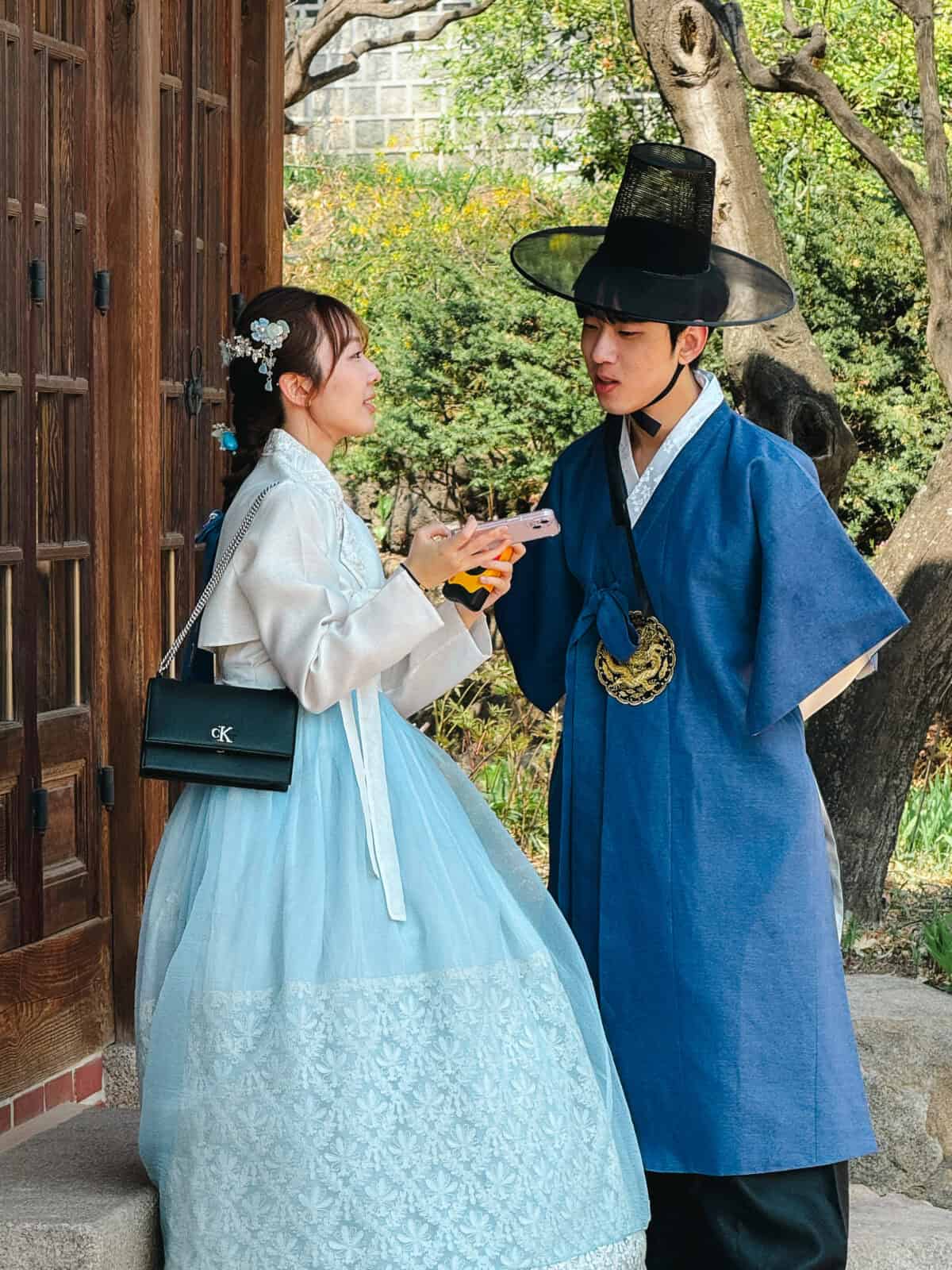
Back in Seoul, more youth culture awaits – and we get a glimpse of what South Korea is likely to become as war memories fade and young people focused more on TikTok trends than tradition come of age. Social media is huge here, and even in Seoul’s old palaces (there are four in the city), you’ll see young people and even whole families wearing hanbok (think Disney princess dresses for women and a belted robe and brimmed black hat for men) posing for shot after carefully orchestrated shot to be posted online.
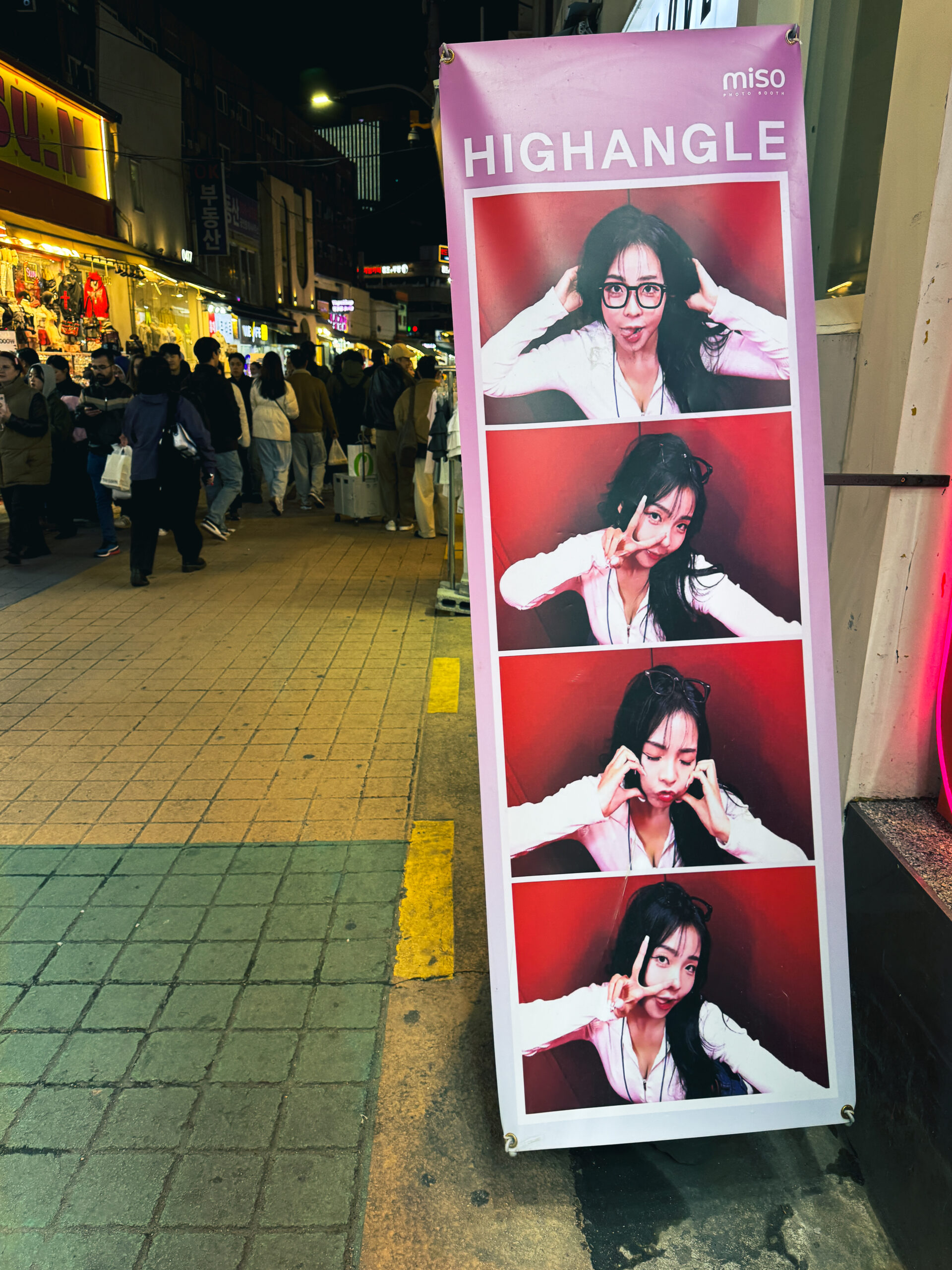
We’re staying in Hongdae, the hip and cool university district. It’s so hip and cool that many bars check your ID not to make sure you’re of drinking age (19), but that you’re no older than 30 – otherwise, you’re not allowed in! There’s plenty of fun to be had for those of us over 30, though – at night, this district is all neon signs, food stalls, dancing musicians streaming their performances, and shops selling vintage clothing, makeup and the latest in fashion and Hallyu merch.
Jun leads us down a side street and upstairs into refined restaurant Ganggang Sul Lai for the final dinner of a most remarkable trip. With melt-in-your-mouth marinated beef cooked to perfection at our table, I conclude that the food here may be different to what’s on offer in Japan – but it’s definitely just as good.
This article first appeared in MiNDFOOD magazine.