There’s no question that you’ll fall in love with Malta, but the real magic can be found when you delve a little deeper and relish in some of the islands’ lesser known delights.
There are places in the world where time seems to slow down and you’re seduced into pouring another glass of wine and staying a while longer, taking it all in. Malta is one of those places.
With the sun glowing gold against centuries-old limestone, warming weathered church doors and casting a shimmering light over the harbour, my first glimpse of Valetta, Malta’s capital, feels almost holy. History isn’t just etched into its architecture, it’s woven into this island nation’s food, language and customs. A UNESCO World Heritage site, Valletta is, quite literally, a living museum defined by a procession of conquerors and colonists each leaving their mark over thousands upon thousands of years.
The throaty sounds punctuating the Maltese language reflect its Arabian heritage, while Italian and English influences hint at centuries of colonisation and exchange. Valletta’s Baroque palaces and grand churches speak of the Knights of St John, while crumbling forts and coastal towers recall battles fought and borders defended. Traditional dishes blend Sicilian flavours with North African spice, and religious festivals fill the air with both Catholic ritual and Mediterranean exuberance.
While Malta is endlessly fascinating, what you shouldn’t do is arrive in the middle of summer expecting to have the place to yourself. In May, June and July you’ll have to jostle with crowds of tourists and cruise ship passengers traipsing around the best-known attractions (St. John’s Co-Cathedral, I’m looking at you). The good news is that the sun shines in Malta for an average 320 days a year so spring, autumn and even winter are fabulous times to visit and the further you venture away from the iconic sights, the more rewarding your trip will be.
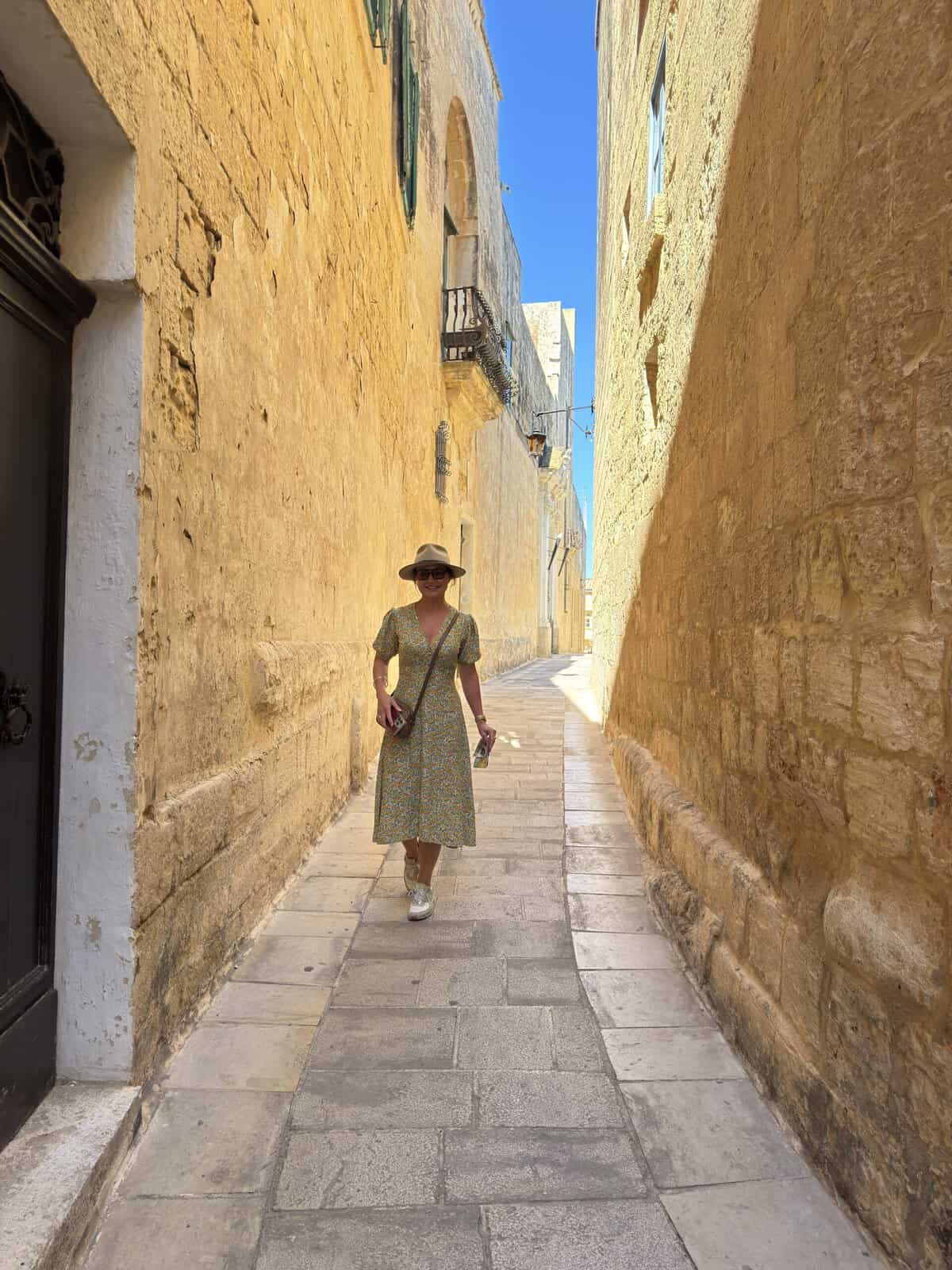
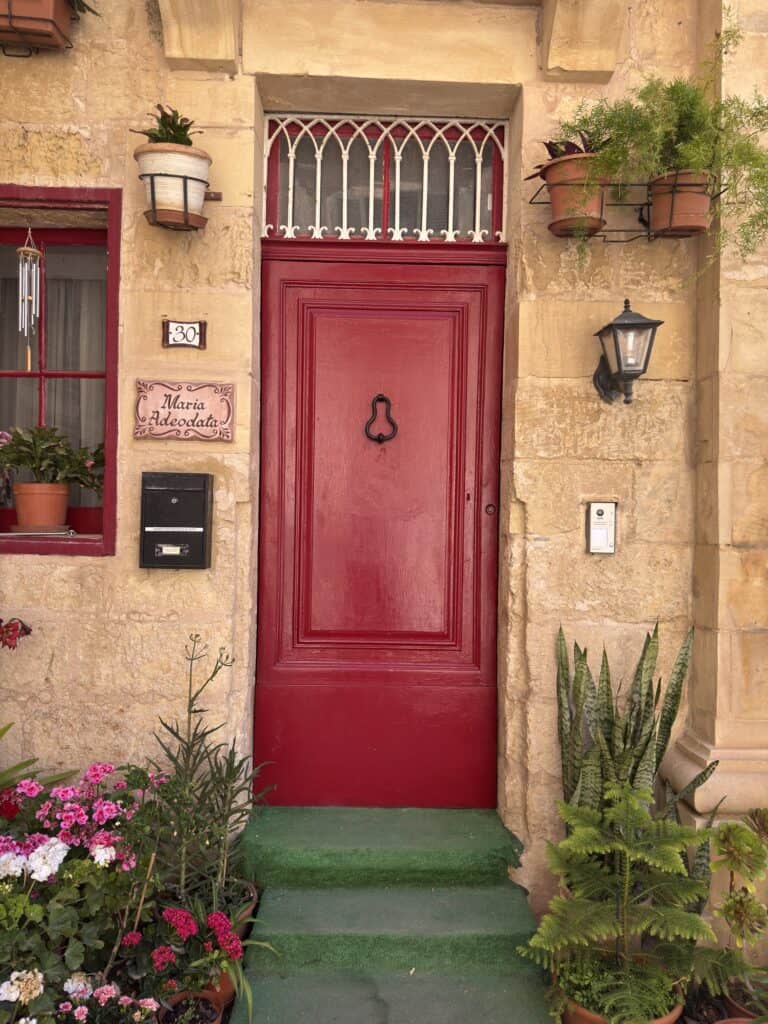
With all signs in English and nothing is further than about 20 minutes away, Malta is easy to get around by hire car or taxi. Mdina, Malta’s ancient walled city and former capital, sits on a hilltop in the island’s centre, its narrow, winding streets whispering tales of centuries past. Mdina is a beautifully preserved blend of medieval and Baroque architecture with colourful wooden doors, ornate door knockers and the odd street cat sauntering by.
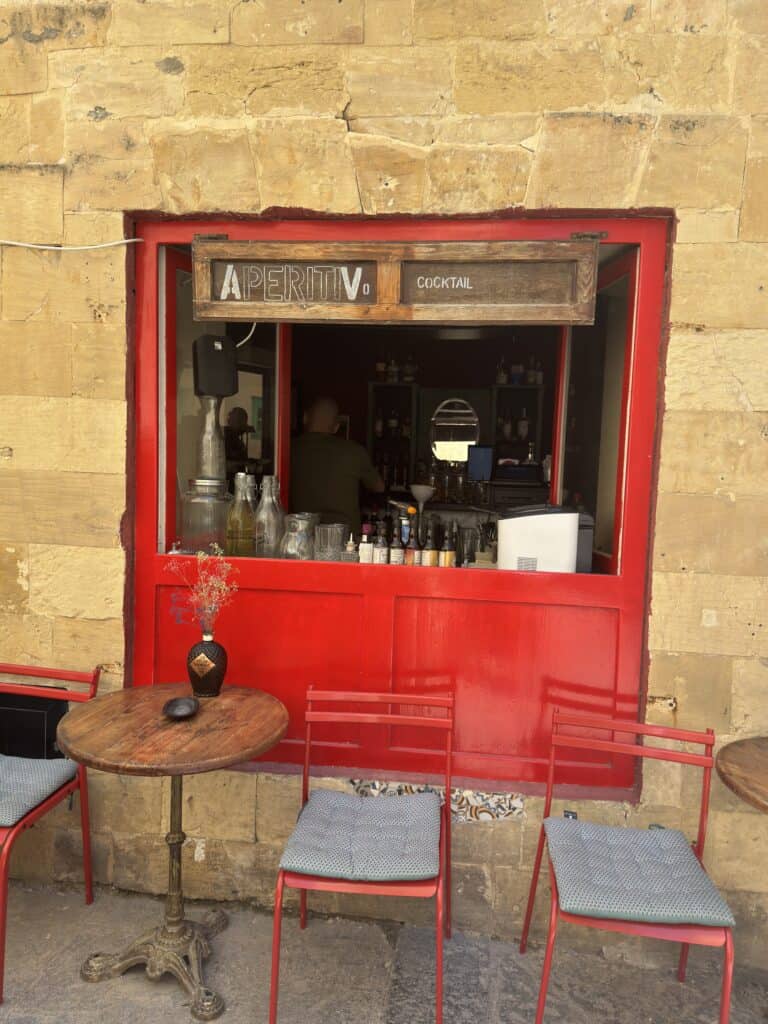
Arrive in the early morning or late afternoon to avoid the crowds, and give yourself time to get lost in the maze of laneways. Duck into open doorways and there are treasures to be found – leafy courtyard restaurants with a clutch of tables, a shop selling local wares, a cosy bar that tempts you to rest a while.
All that walking offers just the excuse I need to indulge in the first of several Maltese specialties. In Rabat, just outside Mdina’s walls, I line up to buy buttery, flaky pastizzis fresh out of the oven and filled with a choice of mushy peas or ricotta. Is-Serkin deserves its reputation as the best pastizzerija in Malta.
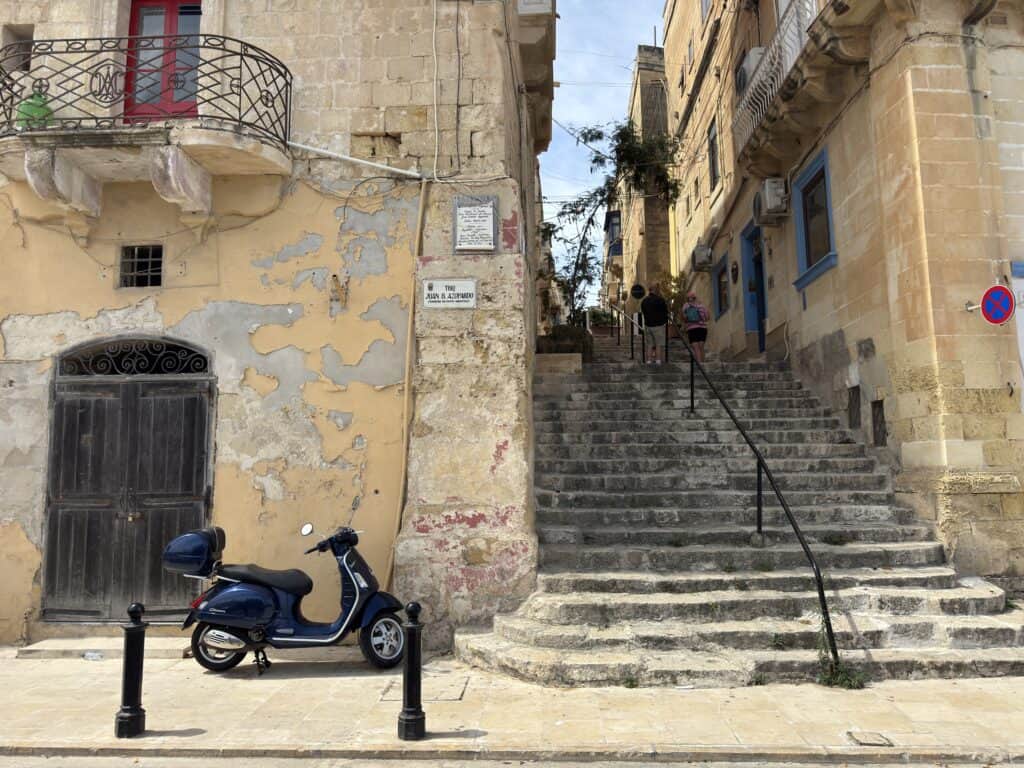
The Three Cities of Malta – Vittoriosa, Senglea and Cospicua – sit across the Grand Harbour from Valletta and offer a more intimate, lived-in view of Maltese history – and are mercifully free of crowds. These fortified cities are some of the oldest parts of the island and were once the strongholds of the Knights of St John, a Catholic military and religious order to whom Malta was gifted by Charles V of Spain in 1530. In exchange, they paid an annual rent of one peregrine falcon and built fortresses, hospitals and churches, leaving a deep imprint on Malta’s culture, architecture and identity.
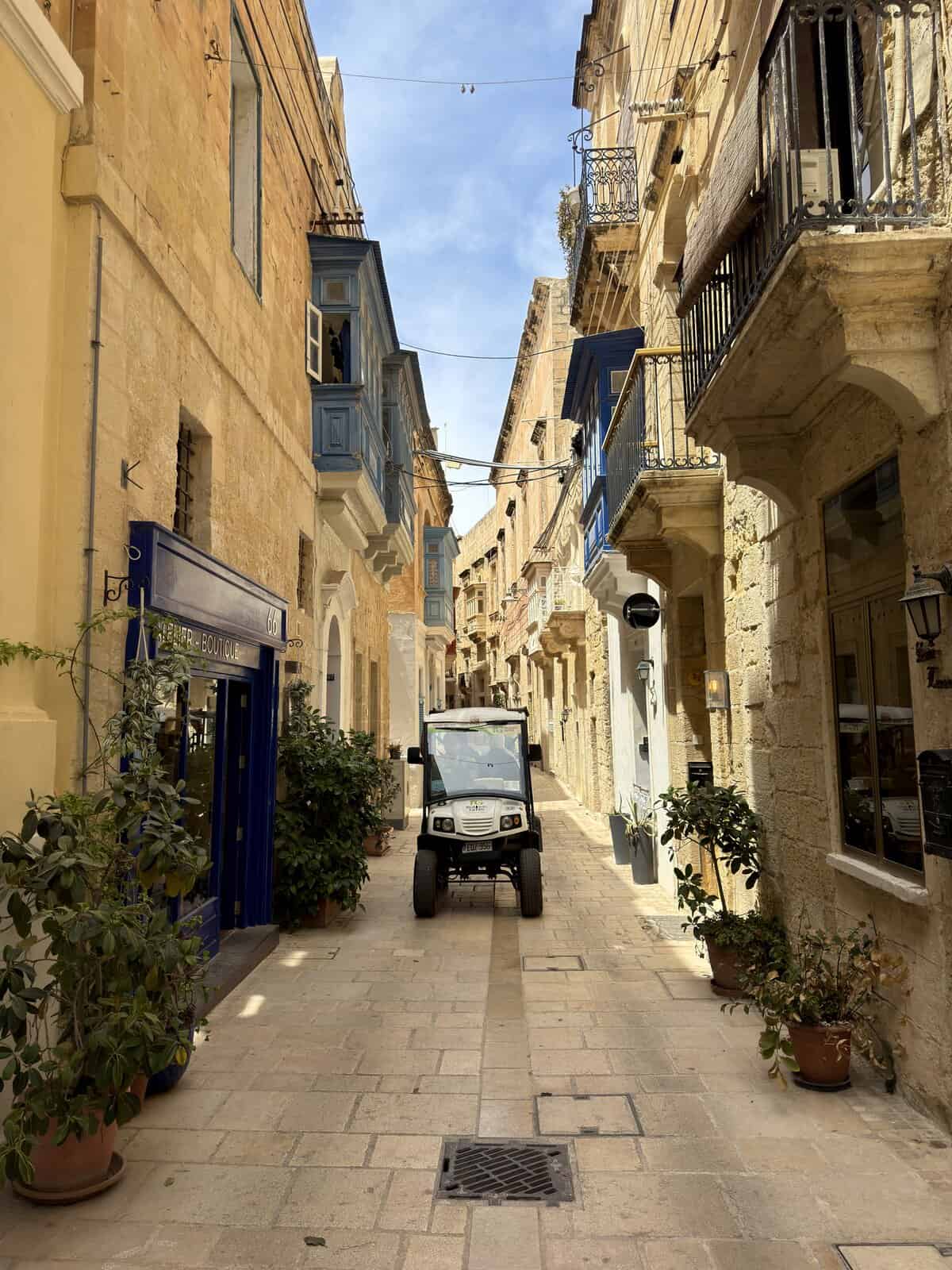
A 2.5-hour Rolling Geeks tour in a golf buggy is a fun way to explore the Three Cities. You drive the buggy on an 18km guided route through narrow streets and local neighbourhoods, with out-loud suggestions on where to stop and look around on the way. Bizarrely, the buggy even takes selfies.
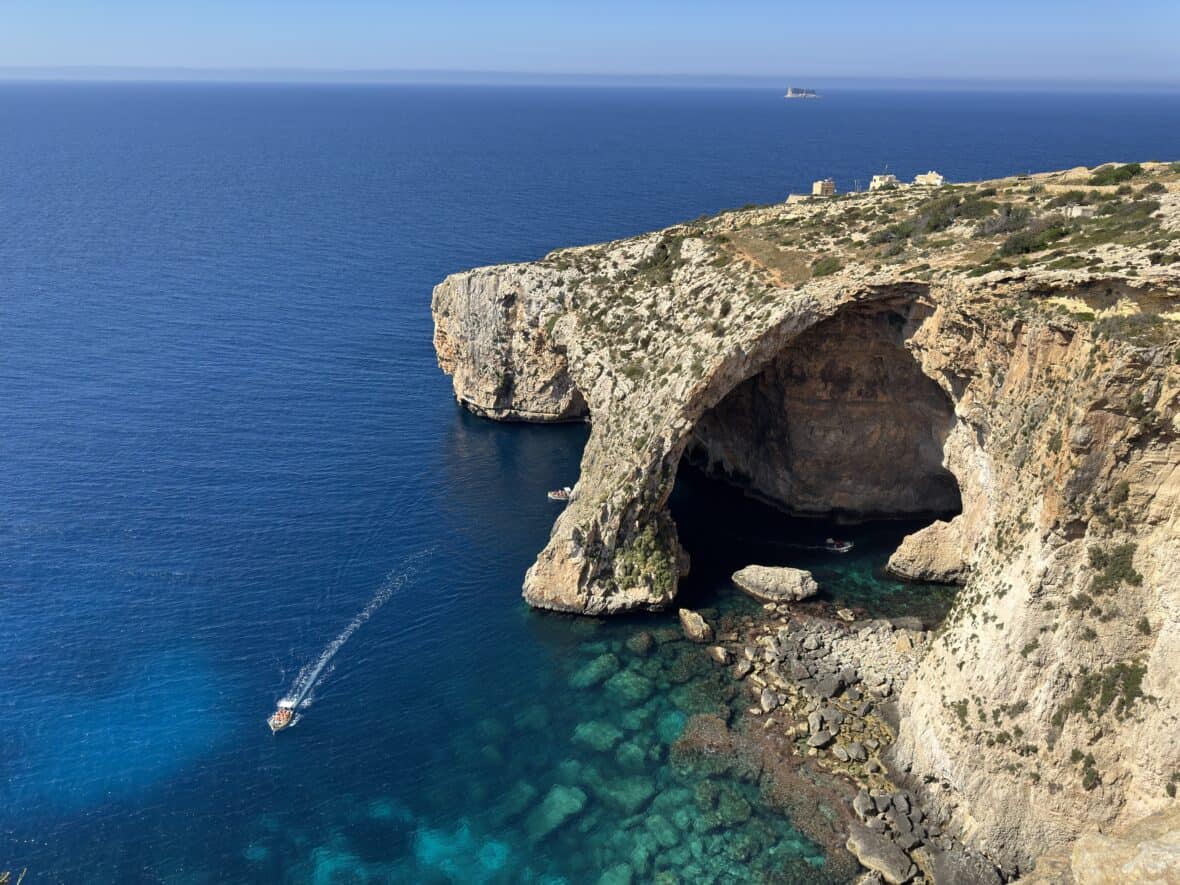
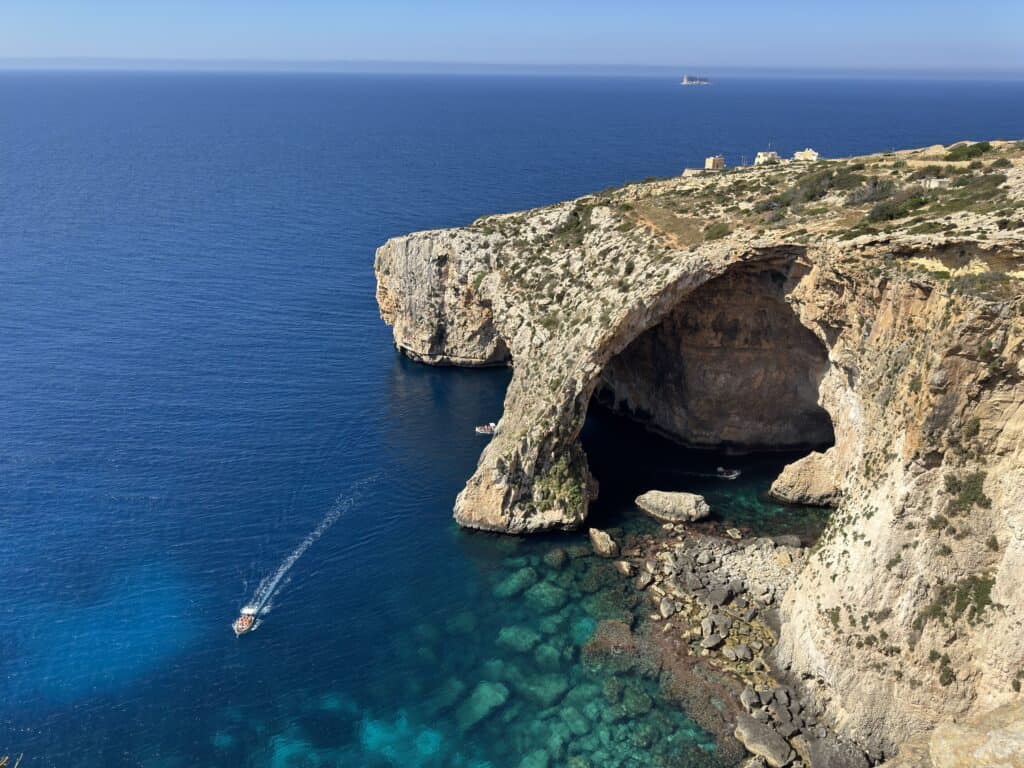
A visit to the Blue Grotto reveals yet another side of Malta. Accessible only by boat or viewed from the cliffs above, the caves dazzle with sapphire-hued water that shifts with the movement of the sea. It’s easy to see why filmmakers have been drawn to Malta’s coastline; scenes from Game of Thrones were filmed here, along with The Lord of the Rings.
A taste of Malta
Root 81, tucked into a quiet stairway on a Rabat hillside, is a dining highlight worth seeking out. The cosy restaurant spills out onto an alfresco terrace with sweeping views out to the distant coastline. Gregarious Chef Patron Robert Cassar, who trained under Michelin-starred Daniel Galmiche at London’s The Vineyard, helps me out when I can’t decide between a starter of grilled octopus and grouper lasagne. “The lasagne,” Cassar says firmly. For my main, I choose the fish of the day (tuna) and ask him how I’d like it cooked. “Rare,” he says, just as decisively. He’s right – it’s melt-in-your-mouth tender and comes with a creamy lemon white wine sauce and the best mashed potato I’ve ever tasted.
Along with its fine food, Malta is becoming known for its wine and tonight I find out why. My Isis chardonnay from Meridiana Wine Estate is all apricot and peach and beautifully aromatic.
It’s not just about business. It’s about something which is coming from the heart.
“It’s 1000% local,” says our bartender, Michael Khylko, explaining that the wine is grown and produced just 3km from the restaurant. High soil mineralisation and sunshine-filled days contribute to the exceptional wines of the area, which are primarily made for local consumption rather than export. “It’s not just about business,” Khylko says. “ It’s about something which is coming from the heart.”
We learn more on a tour of Ta’ Betta Wine Estates the next day, where 15,000 vines are planted on four hectares. The vineyard is a dream come to life for couple Astrid and Juanito Camilleri, who wanted to produce fine wines with personality and named them after the Knights of St John. Olive oil is also produced on the estate and it’s on long wooden tables beneath the shade of olive trees that we sample a big, oak-fermented chardonnay and reds ranging from easy drinking to “bold and violent”.
Between sips, we graze on fresh bread and platters of cheeses, meats, olives stuffed with tuna and Arjholi dip bursting with sundried tomatoes with anchovies. It’s a heavenly way to laze the afternoon away and a good reminder that we’re in the heart of the Mediterranean.
Take me to Gozo
A quick ride on the car ferry the next morning deposits us on the island of Gozo, which feels like stepping back in time. The pace is slower here and there are far fewer visitors, so we take our time walking the narrow streets and ramparts of the Citadella, a fortified city that dates back to the Bronze Age. Its hilltop position offers panoramic views of the surrounding countryside and coast, and we make our way there next.
The Inland Sea at Dwejra is one of Gozo’s most intriguing natural wonders and we board a boat to explore the 80-metre-long cave that links Il-Qawra lagoon with the open sea. More history is on the cards at Ġgantija Archaeological Park, where the remains of temples built between 3600 and 3200 BC still stand (they’re more than a thousand years older than Stonehenge and the Egyptian pyramids).
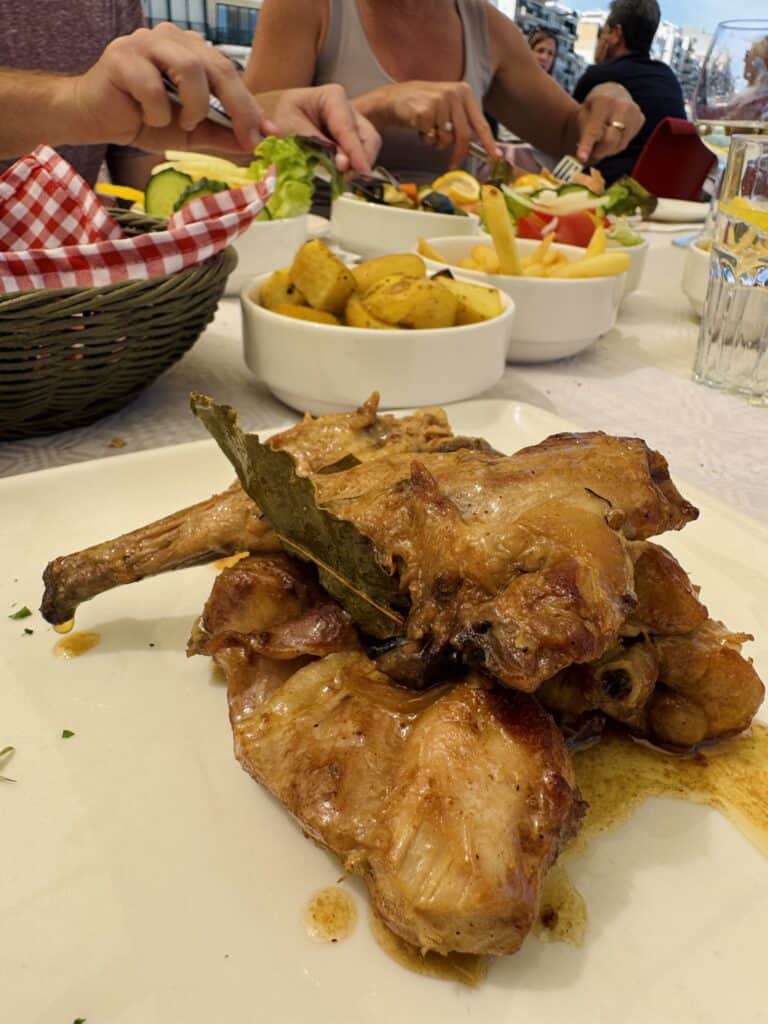
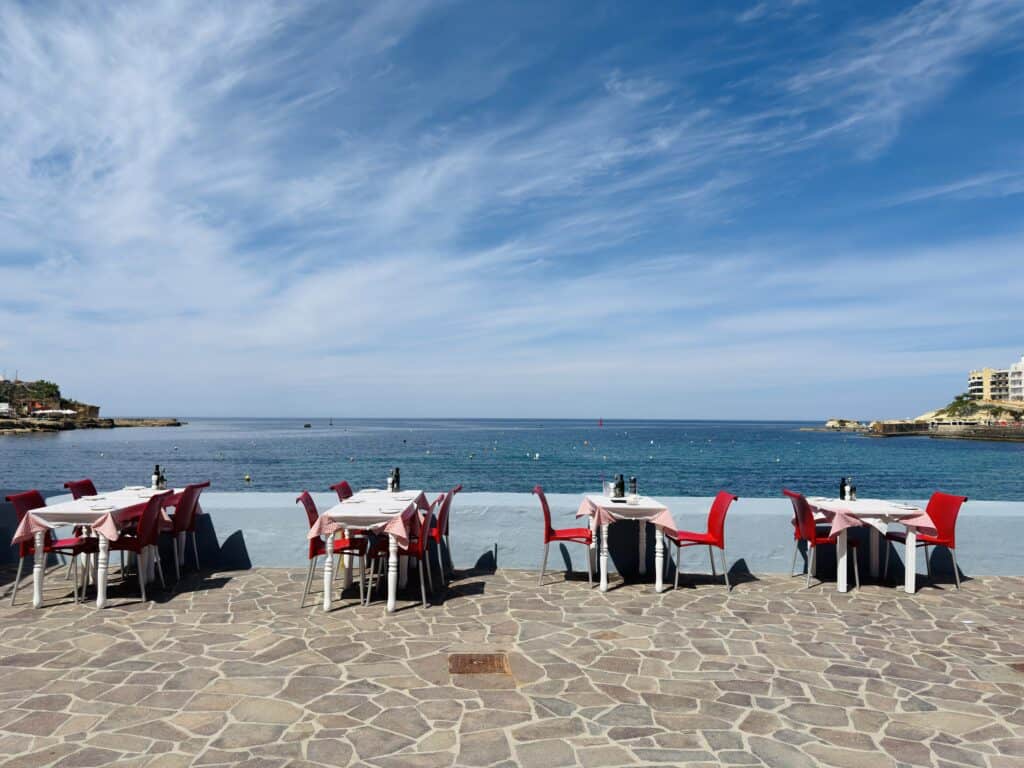
We settle in for a long alfresco lunch by the water at L’aragosta, where I try another local dish, grilled rabbit in white wine, butter and garlic (delicious), accompanied by an ice-cold Cisk, a crisp, refreshing lager that hits the spot.
There’s much more to explore here but, to me, the real beauty of a visit to Malta and Gozo is in slowing down and enjoying the good life on sun-soaked leisurely days under the shade of olive trees or beside the blue, blue sea.
This article first appeared in MiNDFOOD magazine.